Innovation is never built in isolation, it is strengthened through collaboration, constructive feedback, and a shared vision for the future.
Innovation is never built in isolation, it is strengthened through collaboration, constructive feedback, and a shared vision for the future. Today, we had the honor of hosting a distinguished team from the School of Computing and Informatics at Nkumba University at the Gaster AI Innovation Hub. Their visit was dedicated to evaluating E-Katale, our flagship AI-powered digital marketplace, before its official launch to the community. E-Katale is more than a technology platform. It is a vision to transform agricultural trade by connecting farmers, SMEs, grocery outlets, and consumers through an intelligent, transparent, and efficient digital ecosystem. By promoting value addition, market access, and digital inclusion, we believe E-Katale has the potential to empower thousands of farmers and strengthen Uganda's agricultural economy. The team's technical review, thoughtful recommendations, and encouragement reaffirmed that impactful innovation is achieved through partnerships between academia, industry, and the community. Their insights will play an important role as we complete the final refinements ahead of launch. I extend my sincere appreciation to the leadership and team from Nkumba University for believing in our vision and for taking the time to support this important milestone. Together, we are demonstrating that solutions capable of transforming communities can be designed, built, and scaled from Uganda. This is only the beginning. We remain committed to building technologies that solve real-world challenges, create opportunities, and position Uganda as a leader in African innovation.
Read Full StoryLeadership Perspectives

Dr. John Paul Kasse
Dean, School of Computing
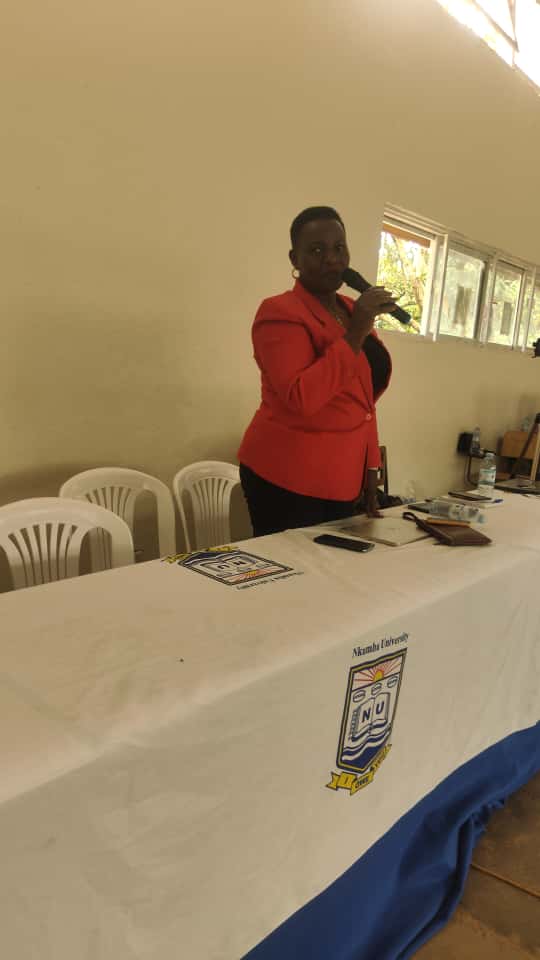
"The collaboration with GASTERAI has transformed our AI curriculum and provided invaluable industry exposure for our students."
Dr. Hilda Mpirirwe
Head of Department
"We've seen remarkable growth in student engagement and practical skills since partnering with GASTERAI on these initiatives."
.jpg)
Mr. Nesta Paul Katende
CEO, OTIC
"GASTERAI's approach to practical AI education aligns perfectly with our industry needs. These graduates are industry-ready."
.jpg)
Mr. Nsubuga Gaster
CEO, GASTERAI
"Our mission is to democratize AI education. Seeing students graduate with practical skills is a testament to our vision."
Recent Success Stories
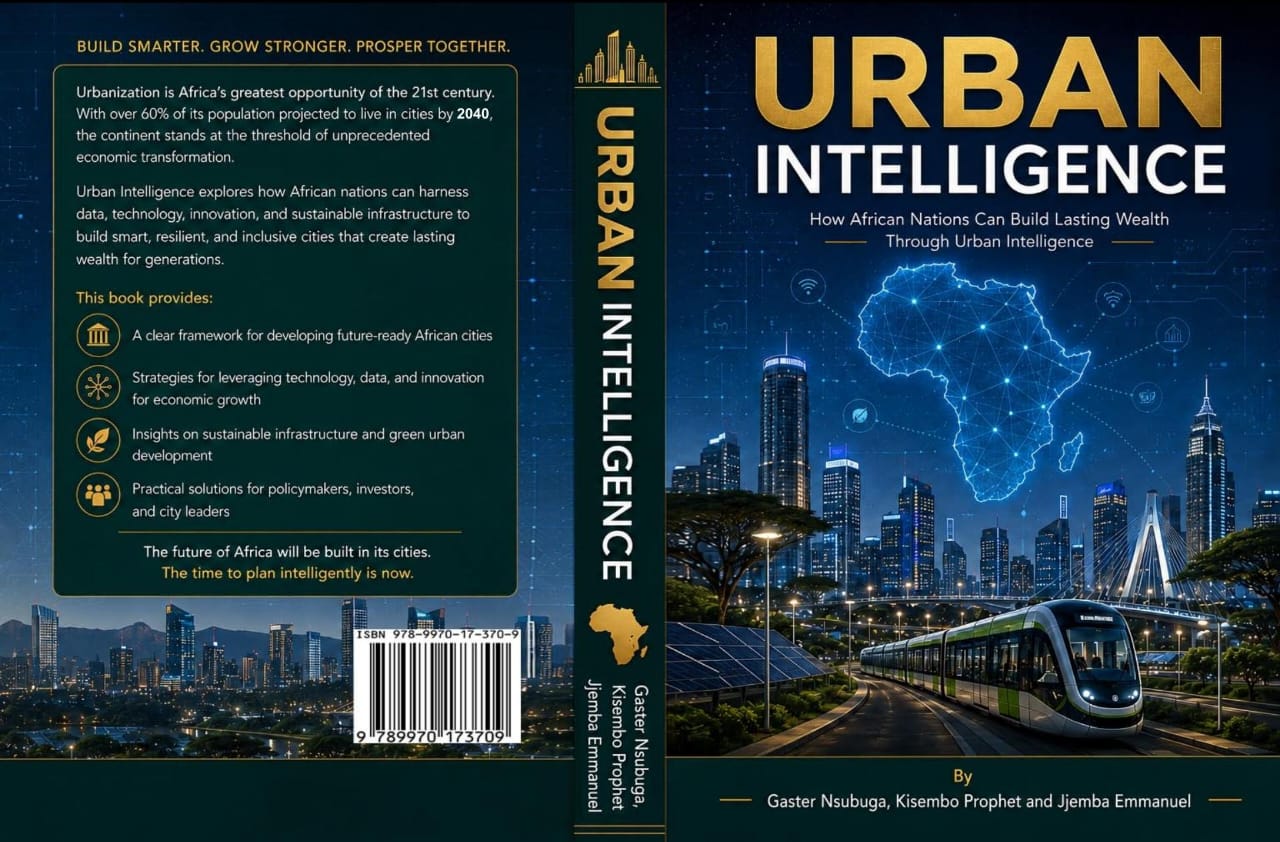
Transforming Africa, Transforming Uganda starting with Entebbe
Technology is no longer the future, it is the foundation of sustainable cities. Our passionate team is committed to tran...
Read More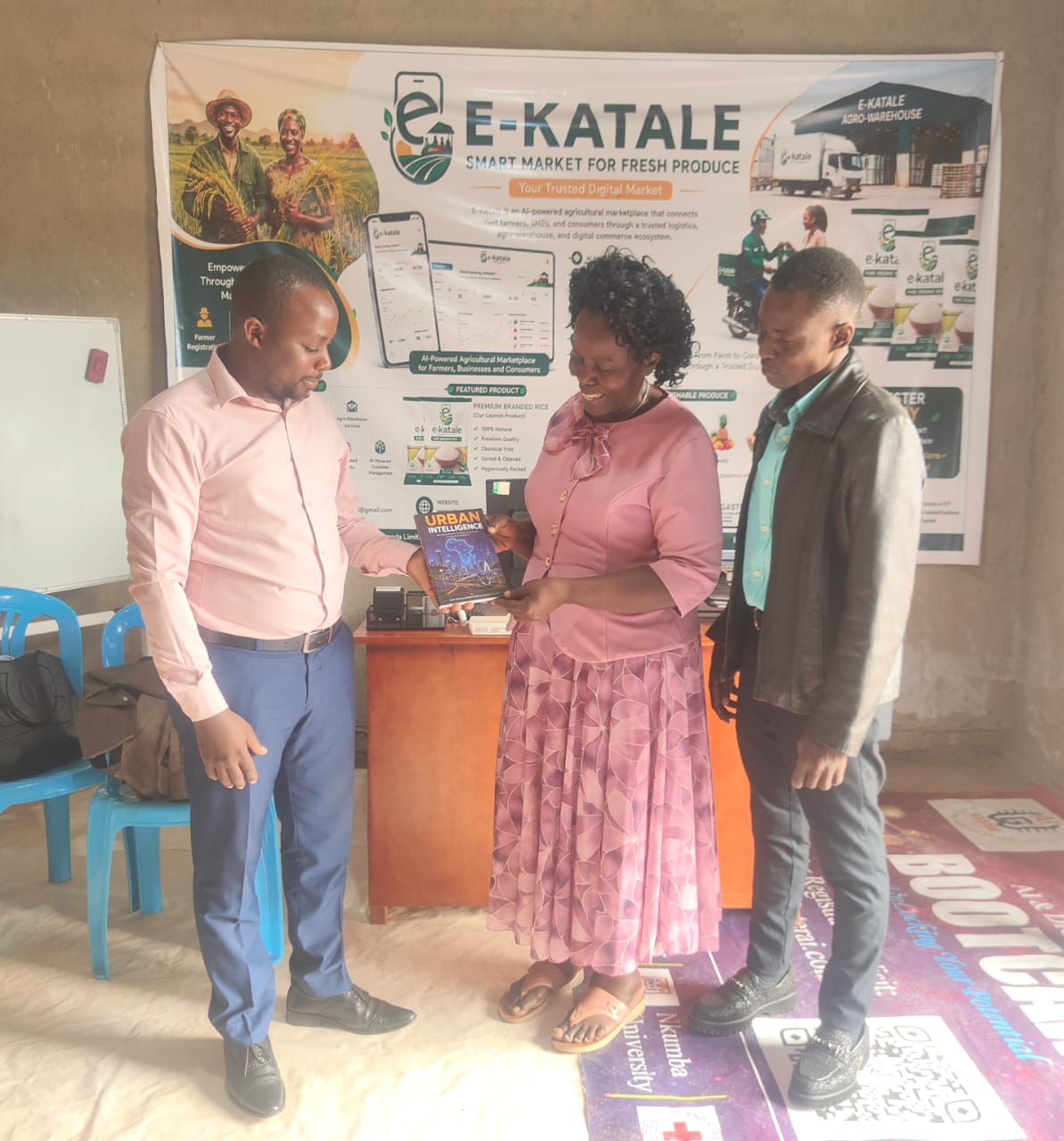
Honor to host the UVTAB officials
Today, we had the privilege of welcoming a distinguished delegation from the Uganda Vocational and Technical Assessment ...
Read More
Innovation Meets Aviation: A Conversation on Uganda's Future
Innovation Meets Aviation: A Conversation on Uganda's Future Today, our CEO and a team had the privilege of attending...
Read More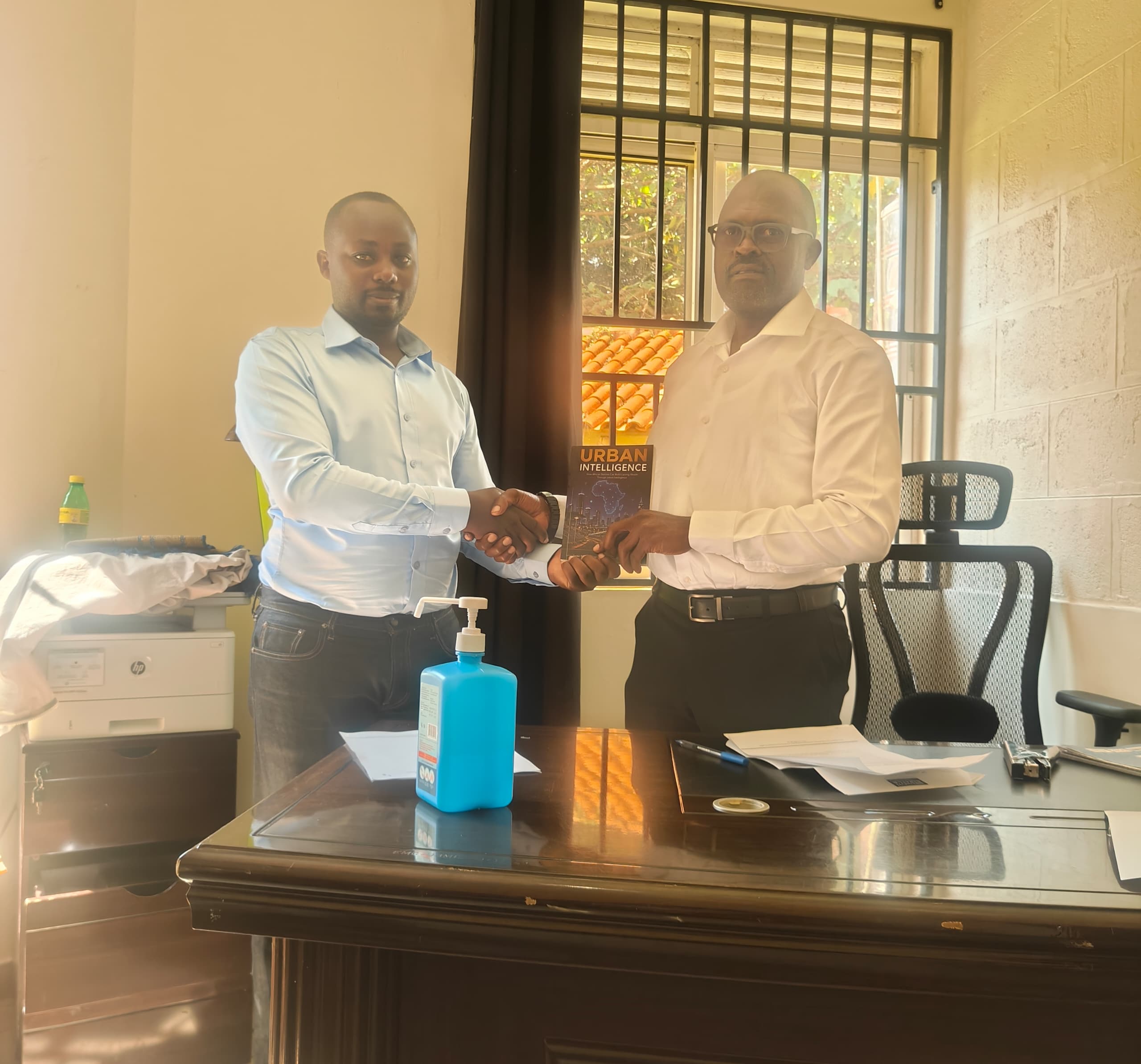
How can we digitize Government services at municipal level. Urban intelligence is the answer
CEO and a team had the privilege of meeting Mr. Miti Ibrahim, Senior Assistant Town Clerk of Entebbe Municipality, to d...
Read More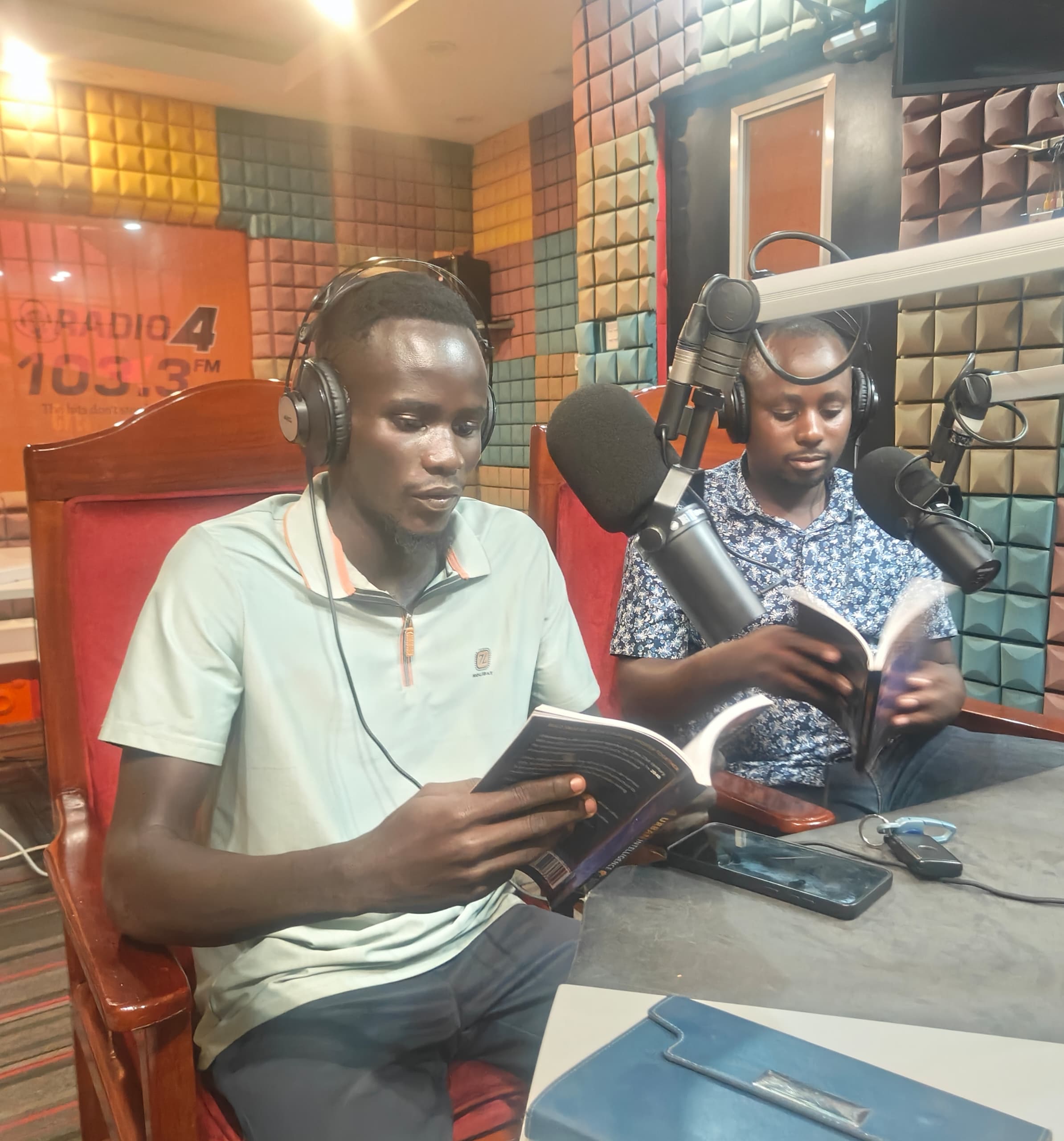

The smart city
A true smart city is an integrated urban system that uses digital technology, data analytics, and artificial intelligenc...
Read More
A Note of Appreciation
On behalf of the entire GasterAi team, we express our sincere gratitude for your exceptional work as our Spokesperson....
Read More
The technical Staff
THE MAN BEHIND OUR PROJECT DEVELOPMENT STRATEGY...
Read More
Image of the day
CEO GASTERAI SKILLING INITIATIVE WELCOMING MAYOR ENTEBBE MUNICIPAL COUNCIL...
Read More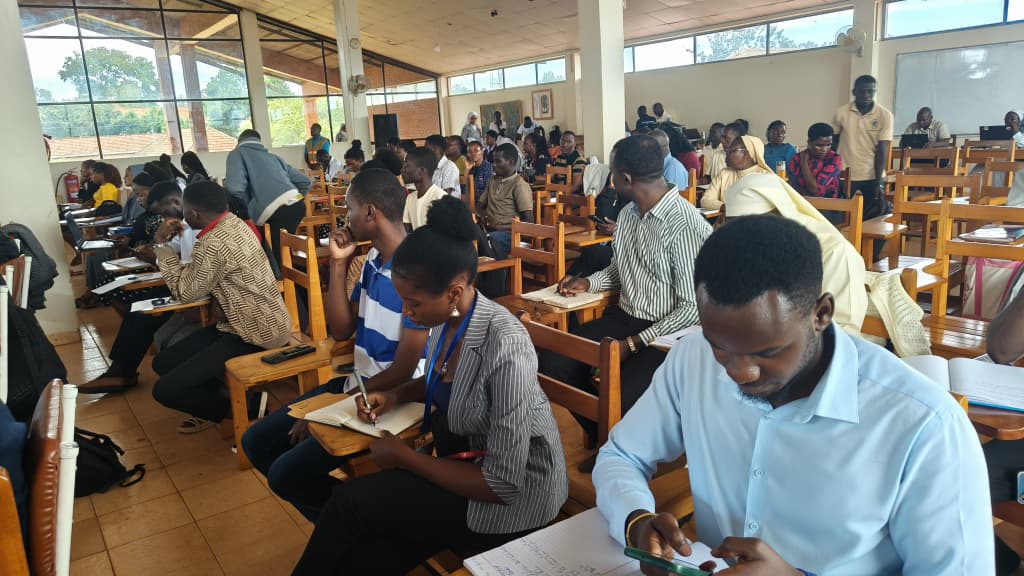
DAY ONE AI BOOTCAP AT UNIVERSITY OF KISUBI
The energy on Day One was anchored by the vision of GasterAI, the lead organizer. Their team moved through the lecture h...
Read More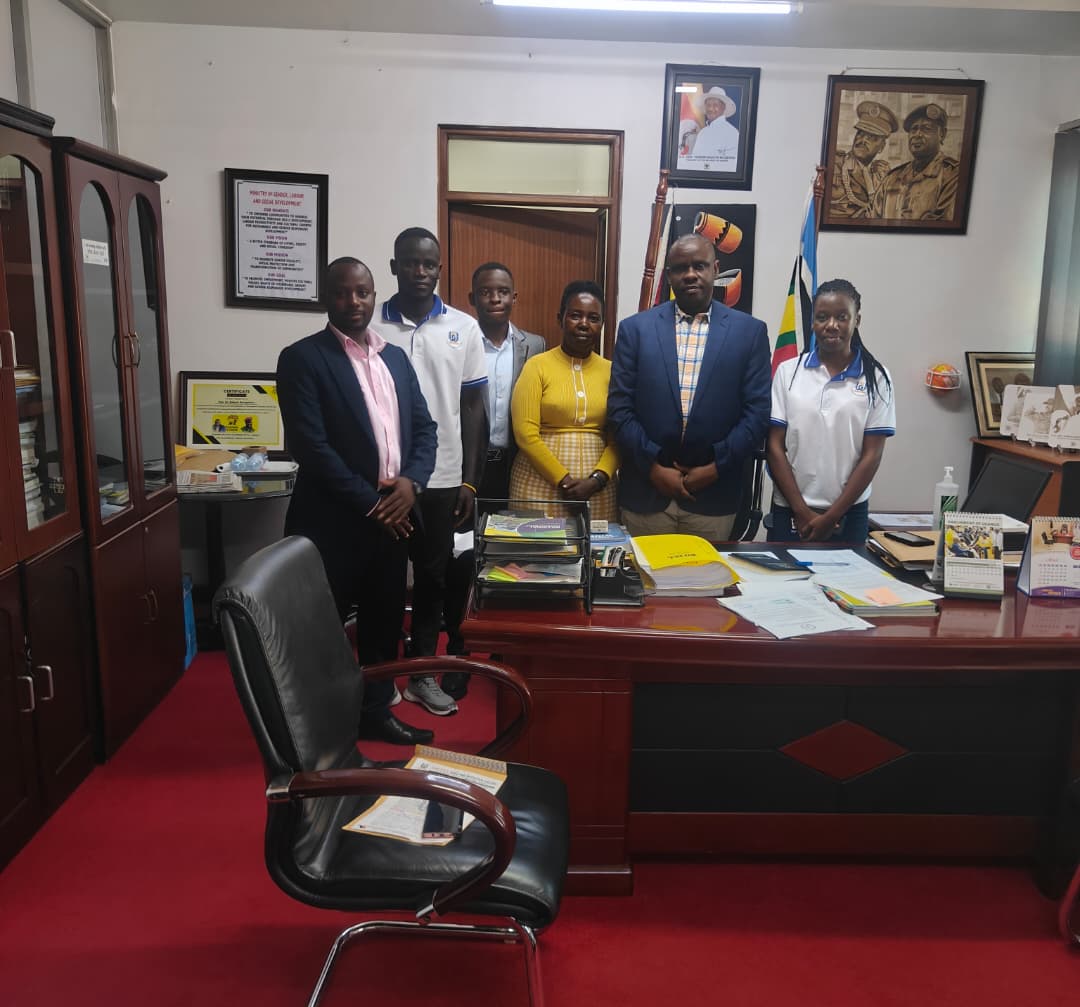
Meeting with Minister Balaam Barugahara Ateenyi
Hon.Balaam Barugahara Ateenyi is the State Minister for Gender, Labour, and Social Development in charge of Children and...
Read More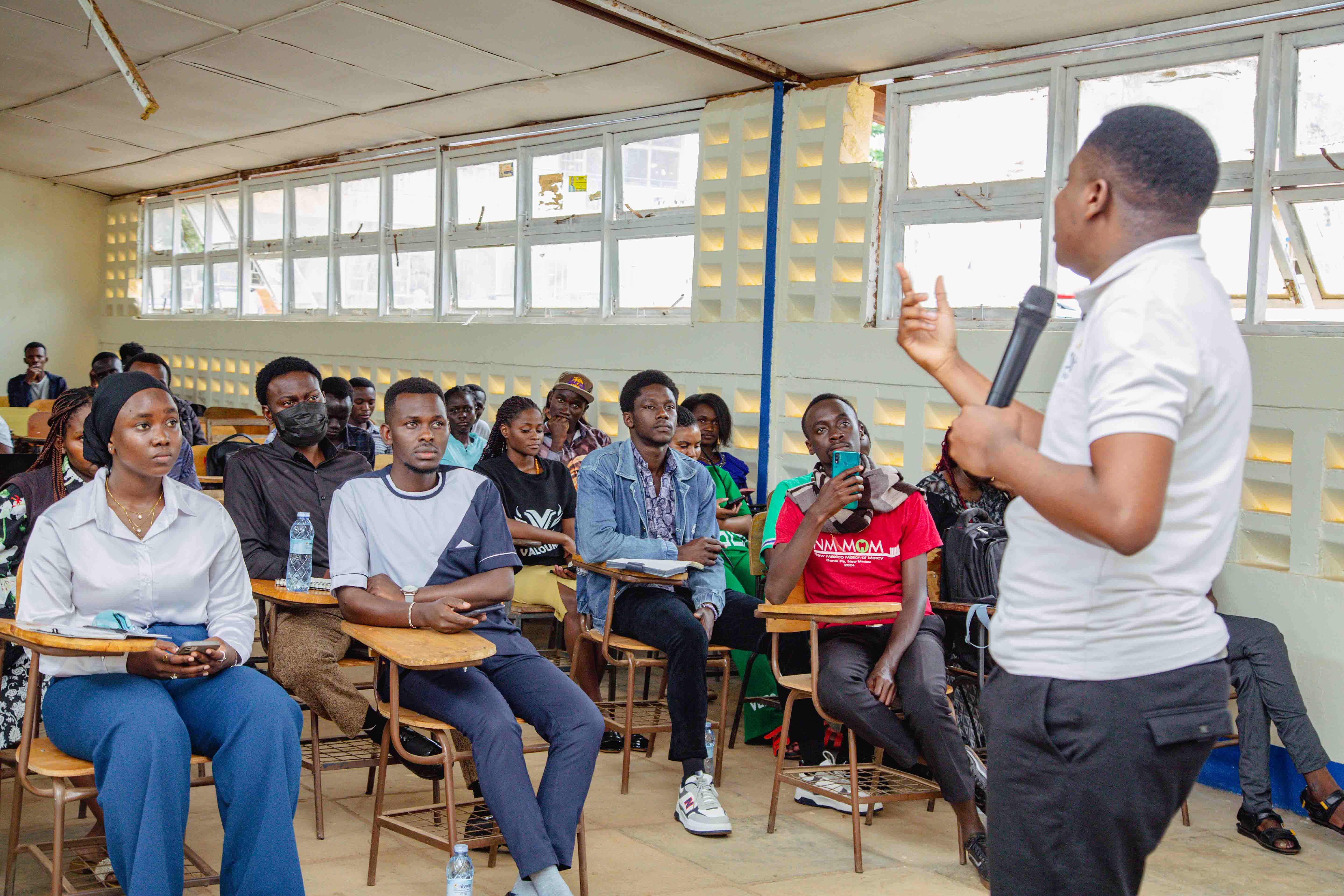
Over 200 Students Graduate from AI Boot Camp 2025
The recent AI Annual Boot Camp at Nkumba University concluded with an inspiring certificate ceremony, celebrating the ac...
Read More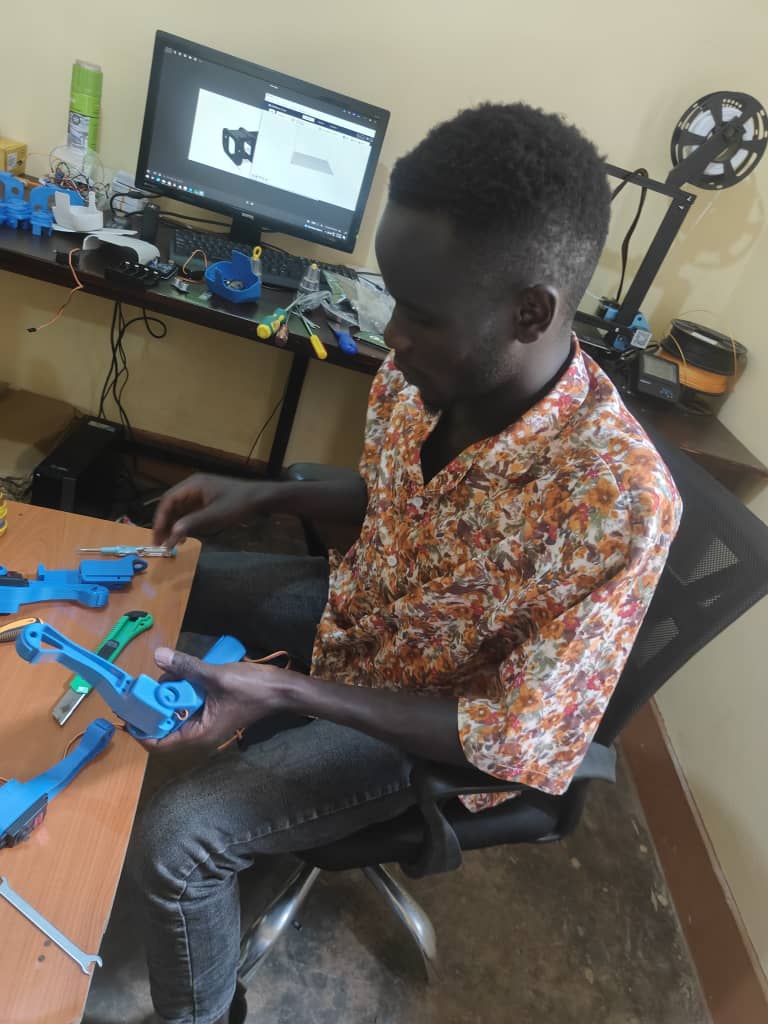
Hands-On AI Workshop Attracts Record Attendance
Our practical AI workshop saw unprecedented participation with students engaging in real-world problem-solving....
Read More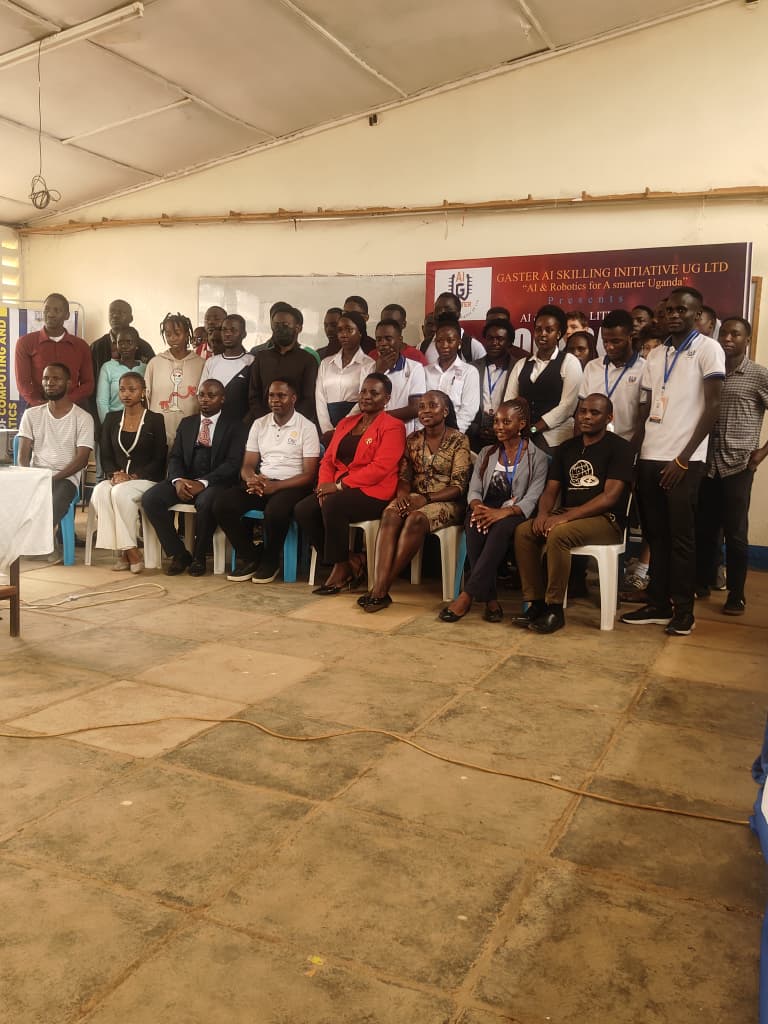
GASTERAI Partners with Tech Giants for Student Projects
New industry partnerships provide students with access to cutting-edge tools and mentorship....
Read More